

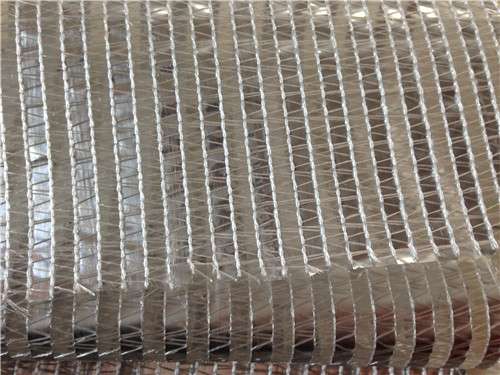
Description
The principle of a greenhouse is to allow light/heat in through the clear cover where it is absorbed by the contents, thus changing from short wave radiation to long wave. The long wave radiation is then reflected back off the inside of the clear cladding.
Thermal screens alter this effect and:
- Shade the greenhouse contents and make growing possible.
- Reflect a large proportion of the incoming light/heat before it becomes long wave radiation. Closed at night will contain heat and reduce condensation.
- Closed at night will greatly reduce heating load in winter.
- Closed during the day will reduce cooling loads and maintain good growing
conditions. - As a blackout screen can be used to alter day length.
Thermal screen types:
There are a vast number of screens available from various manufacturers but are divided in to 6 main categories:
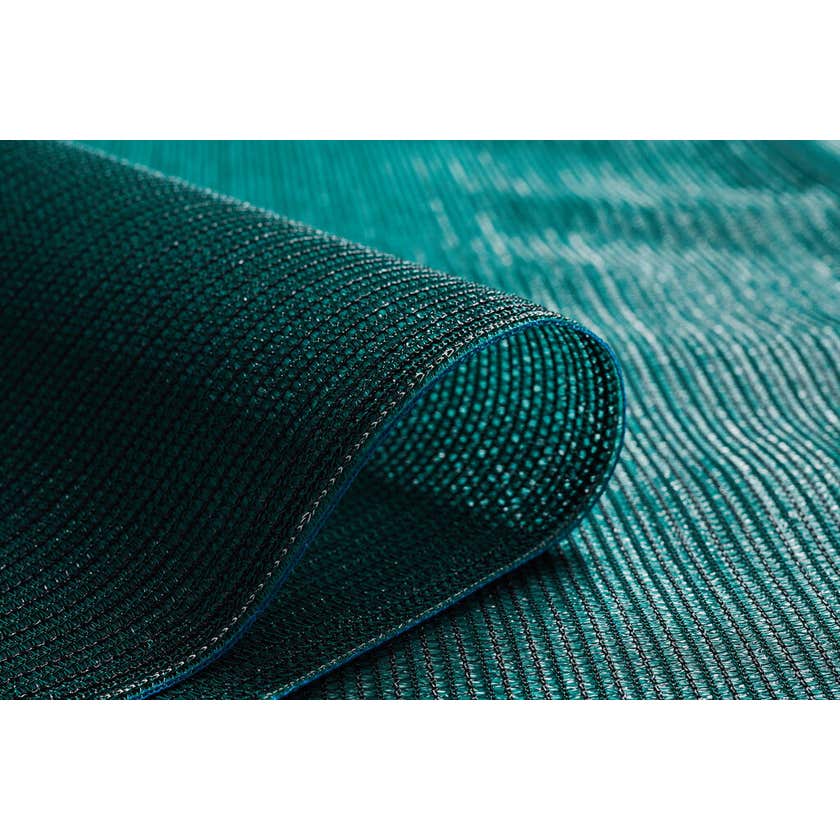
- Internal open weave shade screens of various shade values that allow the passage of ventilation air but have the disadvantage of a lower energy conservation.
- Internal closed screens that do not allow air passage but have much higher energy conservation.
- Energy screens that are basically clear and reduce the heating and cooling volume of the greenhouse and conserve energy.
- Black out screens that are 99.9% opaque and are used for changing day length.
- External open screens of various shade factors, that will sit on top of the greenhouse glass or plastic – for fixed, rolling or concertina shade covers.
- External closed screens – for specialized shaded rain cover.
Thermal screen system types:
- External tarpaulin type covers for seasonal shading and heat reflection.
- Internal manual systems for mainly seasonal use that can be moved in a matter of minutes.
- External manual systems that can be rolled up in a matter of minutes.
- Internal or external motorised systems that can be opened and closed automatically according to light level, temperature or time.
- Because there is so much information on thermal screens we would suggest that we can design your system and provide drawings and instructions, as part of an order for materials.
Our thermal and shade screen are produced by Lauren Agriculture Technology Co
Reviews
There are no reviews yet.